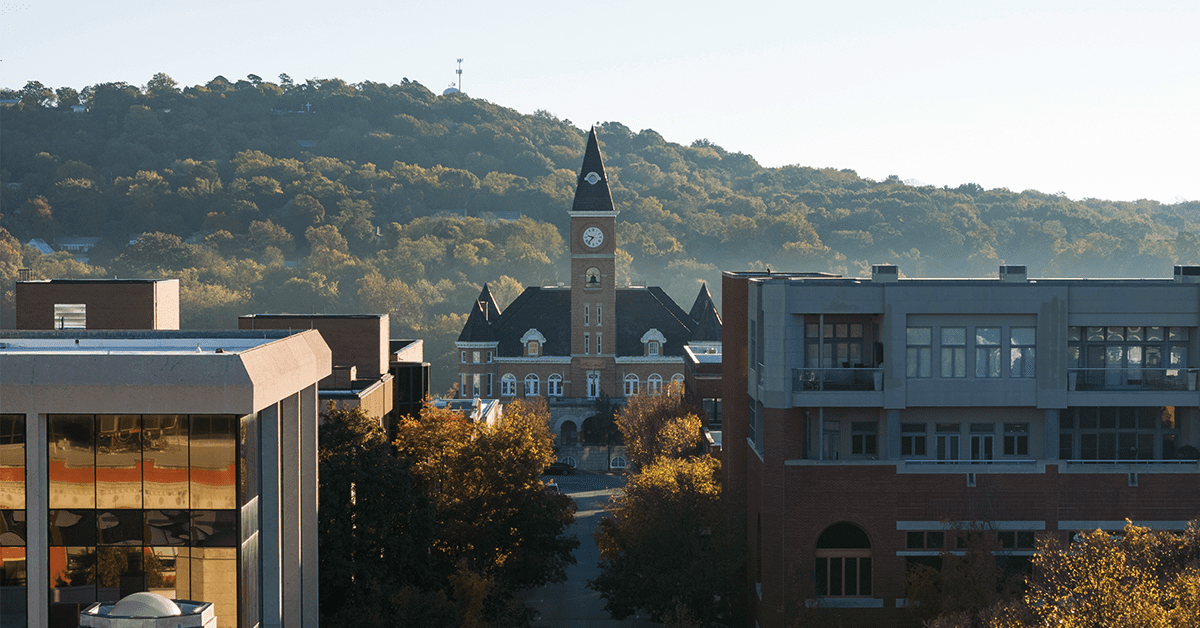
Northwest Arkansas has been named the best-performing large metropolitan area in the United States, according to new rankings from the Milken Institute.
The nonprofit, nonpartisan think tank released its Best-Performing Cities 2026: Resilience in a Cooling Economy report this week, evaluating 411 metro areas across 13 metrics tied to job growth, wage growth, high-tech performance and access to economic opportunity.
After ranking No. 7 last year, the Fayetteville-Springdale-Rogers metro climbed six positions to claim the top spot in the 2026 large cities category.
Milken attributes the region’s rise to a thriving labor market anchored by Walmart and other Fortune 500 headquarters, a strong and growing high-tech sector and continued housing affordability, which is unusual for a fast-growing metro.
Northwest Arkansas ranked among the strongest large metros in the nation across multiple labor market measures, including fourth in one-year wage growth and No. 10 in short-term job growth. The report points to the presence of major employers including Walmart, Tyson Foods and J.B. Hunt, as well as the University of Arkansas, which continues to supply a steady stream of skilled talent to the region.
Milken also highlights Northwest Arkansas’ high-tech growth, driven in part by the region’s management of companies and enterprises industry, along with strong construction activity that has helped maintain housing affordability relative to peer metros.
For the Northwest Arkansas Council, the ranking is an affirmation of the region’s long-term economic trajectory and the values that have shaped it. Northwest Arkansas’ success has never been the result of a single employer, project or moment. It reflects decades of collaboration across cities, businesses, educators and civic partners working toward a shared vision for growth and opportunity.
The Council’s work continues to focus on the long-term fundamentals that shape regional prosperity, including entrepreneurship through StartupNWA, housing and infrastructure conversations through Groundwork and continued efforts to strengthen opportunity across the region.
“This kind of performance does not happen by accident. It happens when a region chooses to plan together, invest together and compete together,” said Nelson Peacock, president and CEO of the Northwest Arkansas Council. “Northwest Arkansas has built the conditions that allow people and companies to thrive, while remaining focused on shared prosperity as growth continues.”
The report also underscores the importance of addressing the challenges that accompany success, including the continued need for housing investment and infrastructure planning so that opportunity remains broadly shared.
While Northwest Arkansas has maintained relatively strong housing affordability compared to peer metros, the region’s rapid growth continues to place pressure on supply. Ensuring that teachers, nurses, first responders and the broader workforce can find attainable housing near the communities where they work will remain essential to the region’s long-term success.
Sustaining affordability will require ongoing focus and sustained regional coordination across cities, employers and civic partners, alongside the infrastructure investments that make growth possible. As more people move to Northwest Arkansas, residents are already experiencing the day-to-day impacts of increased demand, from rising housing costs to greater traffic congestion and longer commutes.
Northwest Arkansas must remain proactive in addressing these pressures as growth continues. Maintaining affordability, expanding housing options and planning for the transportation, water and utility systems that support new development will be critical as the cost of living becomes a defining issue for high-performing regions across the country.
The Northwest Arkansas Council and its partners are working through these challenges through regional planning efforts such as Growing Home NWA, the region’s long-term growth strategy, as well as ongoing work to strengthen housing readiness and infrastructure coordination. The Council is also supporting efforts such as the regional wastewater study, which is helping communities better understand the utility capacity needed to meet future housing demand.
Northwest Arkansas’ No. 1 ranking reflects the strength of the region today and a reminder of the work ahead to sustain inclusive prosperity in the years to come. The Northwest Arkansas Council remains committed to advancing the long-term priorities that support shared growth, opportunity and competitiveness across the region.