Northwest Arkansas is set to receive two-thirds of $105 million in federal transportation funding coming to the state of Arkansas. Those new dollars advance infrastructure projects priorities championed by the Northwest Arkansas Council, the Northwest Arkansas Regional Planning Commission and other partners for years. In a press release last week, the Arkansas Department of Transportation outlined the funding included in federal fiscal year 2026 appropriations.
For Northwest Arkansas, the investments represent meaningful progress on connectivity challenges the region has worked to address through strategic planning and sustained advocacy, but far more dollar investments are needed as the region presses on toward seeing 1 million residents by 2050. New investments in highways, public transportation, drinking water systems, wastewater treatment, solid waste and recycling, parks and community development will be necessary to ensure those 1 million people are able to experience the quality of life that’s made Northwest Arkansas one of the nation’s top places to live and work.
Pursued by U.S. Rep. Steve Womack of Rogers, the largest single allocation directs $59 million toward the next phase of the U.S. 412 Bypass of Springdale. Additional Northwest Arkansas funding provides $11 million for U.S. 412 corridor improvements and another $3 million will be directed to the rebuilding of a wider, safer Arkansas Highway 112 between Bentonville and Fayetteville.
Other projects across the state that received portions of the $105 million include the next phase of future Interstate 49 from Alma to Barling ($18.8 million), a railroad overpass for Arkansas Highway 82 ($7 million); and a new phase of future I-57 between Walnut Ridge and the Missouri state line ($6.73 million).
Building on Regional Coordination and Public Input
These investments reflect priorities established through extensive regional planning and public engagement. In the Council’s 2022 infrastructure survey, 40.8% of the more than 4,000 participants expressed completing the Springdale bypass as their No. 1 priority. Another 32.5% said improvements to Highway 112 were their highest priority, suggesting that the money investments are effectively addressing what the public sees as most important.
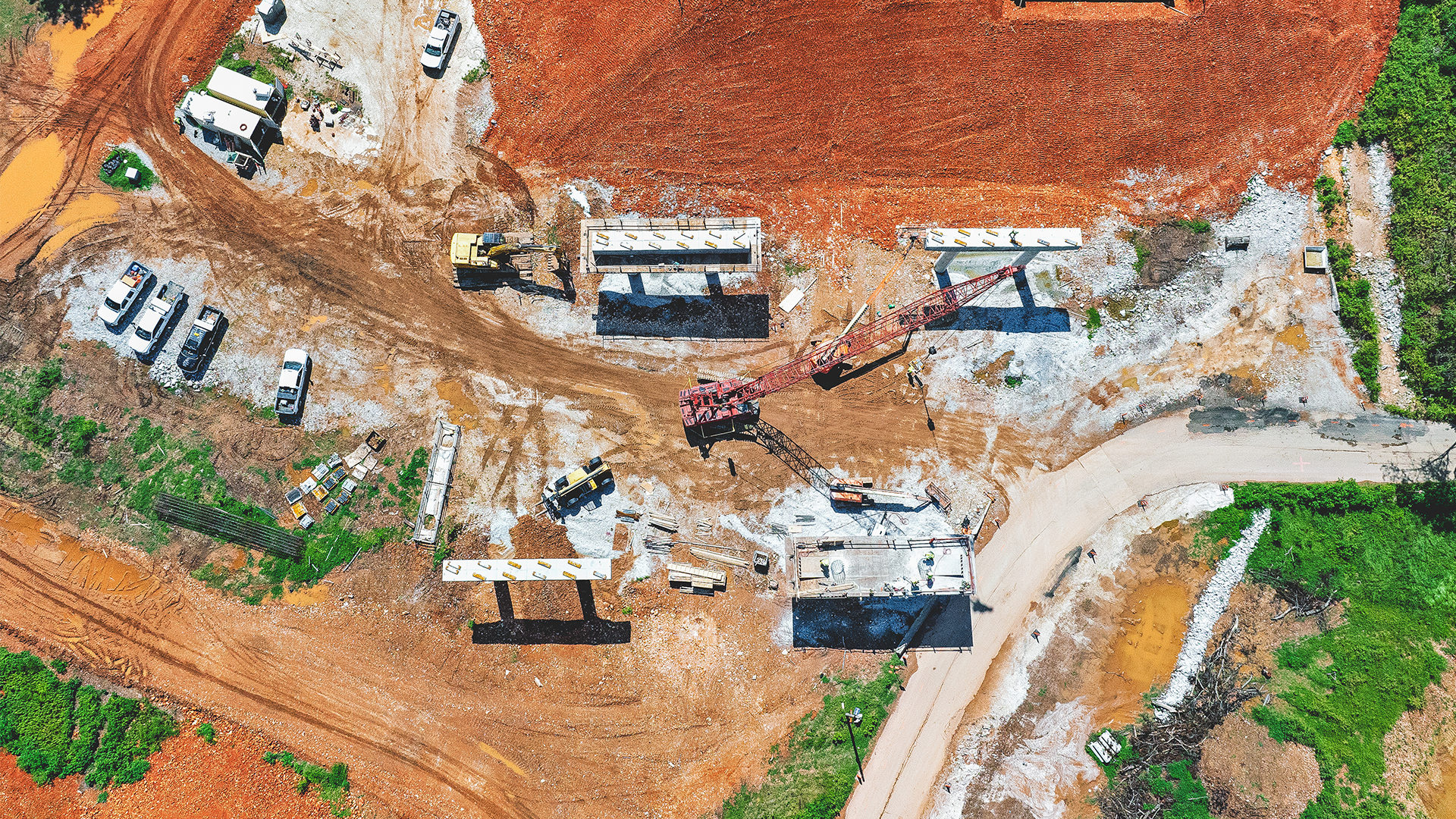
Planning for the Springdale bypass, which is now under construction on its western end, began in 1996 when ARDOT initiated its first Major Investment Study of the corridor. Nearly three decades of environmental analysis, design work and phased construction demonstrate the long-term regional commitment required to deliver transformational infrastructure. The Northwest Arkansas Council has long identified the bypass as a strategic priority and has worked with state and federal partners to secure funding, with the first four-mile segment opening in 2018.
The recent funding was secured through congressional appropriations with support from Arkansas’ delegation. The delegation includes Womack, U.S. Rep. Bruce Westerman, U.S. Rep. Rick Crawford, U.S. Sen. John Boozman and U.S. Sen. Tom Cotton. Their collective support reflects a shared understanding that transportation infrastructure plays a central role in economic competitiveness, particularly for fast-growing regions like Northwest Arkansas that aim to retain talent and bring in new business investment.
Supporting Economic Opportunity
For Northwest Arkansas, these projects do more than improve daily commutes. U.S. 412 and I-49 function as critical freight and logistics corridors that support the region’s employers, manufacturers and supply chains tied to national and global markets. Continued infrastructure investments ensure Northwest Arkansas remains accessible for workers, attractive for business expansion and prepared for continued growth.
The Northwest Arkansas Council has long emphasized infrastructure investment as foundational to regional economic development and quality of life. Major transportation projects advance in phases over many years, requiring ongoing coordination among state, federal and local partners. This funding represents important progress rather than a final step.
The region’s long-term competitiveness depends on its ability to maintain and expand strategic infrastructure. The Council will continue working alongside partners across sectors to ensure infrastructure keeps pace with demand, supports workforce mobility and creates long-term economic opportunity for all who call Northwest Arkansas home.