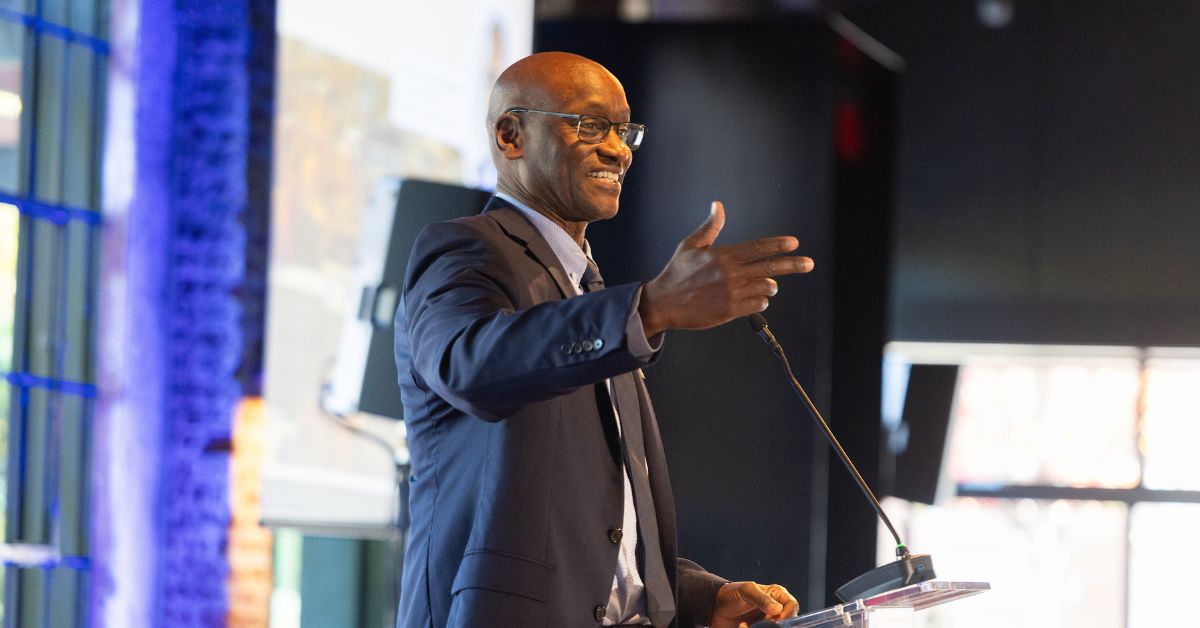
Regional collaboration helped build Northwest Arkansas into what it is today, and its next chapter will require even stronger connections among local governments, businesses, schools and community organizations. That message guided the Northwest Arkansas Council’s annual meeting Nov. 12 at Record in Bentonville, where members reviewed a year of progress and discussed how shared planning, investment and partnerships can prepare the region for continued growth.
Infrastructure and workforce development anchored the program, with both discussions pointing to the need for sustained partnerships. Members also recognized longtime regional leader Dick Trammel and welcomed Chad Evans as the Council’s next presiding co-chair.
“Thank you for showing up, sharing your expertise and following through. That commitment gives this organization its strength,” said University of Arkansas Chancellor Charles Robinson, who concluded his year as presiding co-chair.


Building Infrastructure Across Communities
Council President and CEO Nelson Peacock described an infrastructure challenge that extends beyond individual projects: Northwest Arkansas needs ways to plan, fund and operate systems that serve an increasingly connected region.
In a recent survey, Council members identified infrastructure, regional collaboration, growth and housing as priorities for the organization’s work. Residents routinely cross city boundaries for work, school and daily activities, making coordination among communities increasingly important.
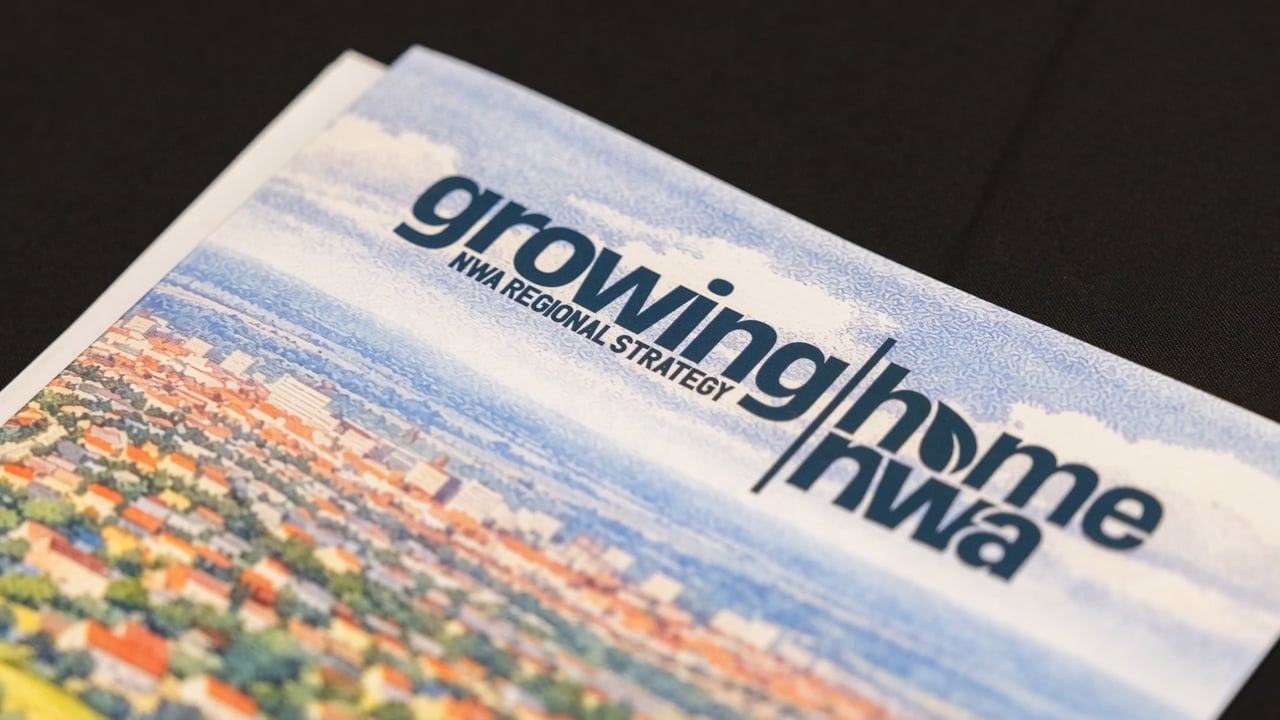
Growing Home NWA, the regional growth strategy launched in April, is helping organize that coordination. Working groups are focused on housing choices, infrastructure planning, financing and other recommendations. An effort to explore more consistent utility installation standards illustrates how collaboration could address a practical development challenge, reducing the redesigns and delays that can arise when requirements vary across communities.
The financial needs are substantial. Regional planning estimates identify roughly $6 billion in transportation needs through 2050, with about $3 billion in anticipated funding. A draft regional wastewater study nearing completion identifies approximately $2.44 billion in investment needs over the same period.
Peacock discussed regional funding tools, shared governance options and public-private partnerships as approaches to evaluate. Along with finding money for improvements, communities will need to consider how to share responsibilities, allocate costs and remain accountable to the people they serve.
The Council also released its 2026 annual report, highlighting work across infrastructure, workforce development, entrepreneurship and other regional priorities.

Developing the Workforce Businesses Need
The meeting’s education discussion underscored an important connection: Today’s students are tomorrow’s workforce, and businesses have a key role to play in preparing them for what’s next.
Stephanie Marken, a senior partner at Gallup, previewed findings from research conducted in partnership with the Walton Family Foundation on education, career pathways and workforce readiness in Northwest Arkansas. Among regional employers surveyed, 96% expected Arkansas high school or college graduates to make up most of their future hiring pool.
Students and families are looking for help navigating those opportunities. The preliminary regional findings showed that 63% of students surveyed wanted more information about careers that do not require a four-year degree, while 52% of parents wanted more guidance on postsecondary pathways.
Together, the findings point to an opportunity for businesses to take a more active role in developing their future workforce. Employers can help students discover career possibilities, gain insight into the skills needed to succeed and understand the many pathways to opportunity in Northwest Arkansas.

To examine what the findings mean for our region, Karen Minkel, deputy chief philanthropy officer of the Walton Personal Philanthropy Group, moderated a panel featuring Melinda Bunyard of Bentonville Schools, Erin Kiefer, chairman and owner of Kiefer Sage, and David Giesige, founding executive director of the Council’s regional workforce intermediary.
Panelists discussed how schools and businesses can work together to create meaningful career experiences for students while helping employers prepare for future workforce needs. Bentonville Schools’ Ignite Professional Studies program provided context for the role employers can play in connecting classroom learning with career experience.
Many businesses already contribute through career fairs, classroom visits and financial support. But deeper partnerships can build on those efforts, giving students opportunities to explore careers and develop skills through real-world experience. Internships give students experience with a company’s work and expectations. Apprenticeships and employer-informed training can prepare people for specific roles. Ongoing conversations with educators can help schools respond as industries and skill requirements change.
Those opportunities benefit students pursuing a range of paths, including college, technical training and employment after high school. They also give businesses a way to invest earlier in the people they will eventually need to hire.
The Council’s workforce intermediary will help employers connect with schools and workforce programs, reducing the time businesses spend figuring out where to begin. For employers interested in getting involved, the Council can help identify opportunities to host students, develop internships or strengthen existing school partnerships in ways that align with their needs and capacity.

Recognizing Service and Welcoming New Leadership
The Council recognized Dick Trammel as an honorary lifetime member, honoring decades of leadership in transportation, banking, education and health care. His contributions to the region’s roads and institutions illustrated the lasting impact of the collaboration discussed throughout the meeting.
Members also welcomed six organizations to the Council: Benchmark Group, Buffalo Builders, First Service Bank, High Street Real Estate & Development, Hope Cancer Resources and VCC.